The Price
August 3rd, 1305. A small house in Robroyston, just outside Glasgow. The night is warm, the darkness absolute.
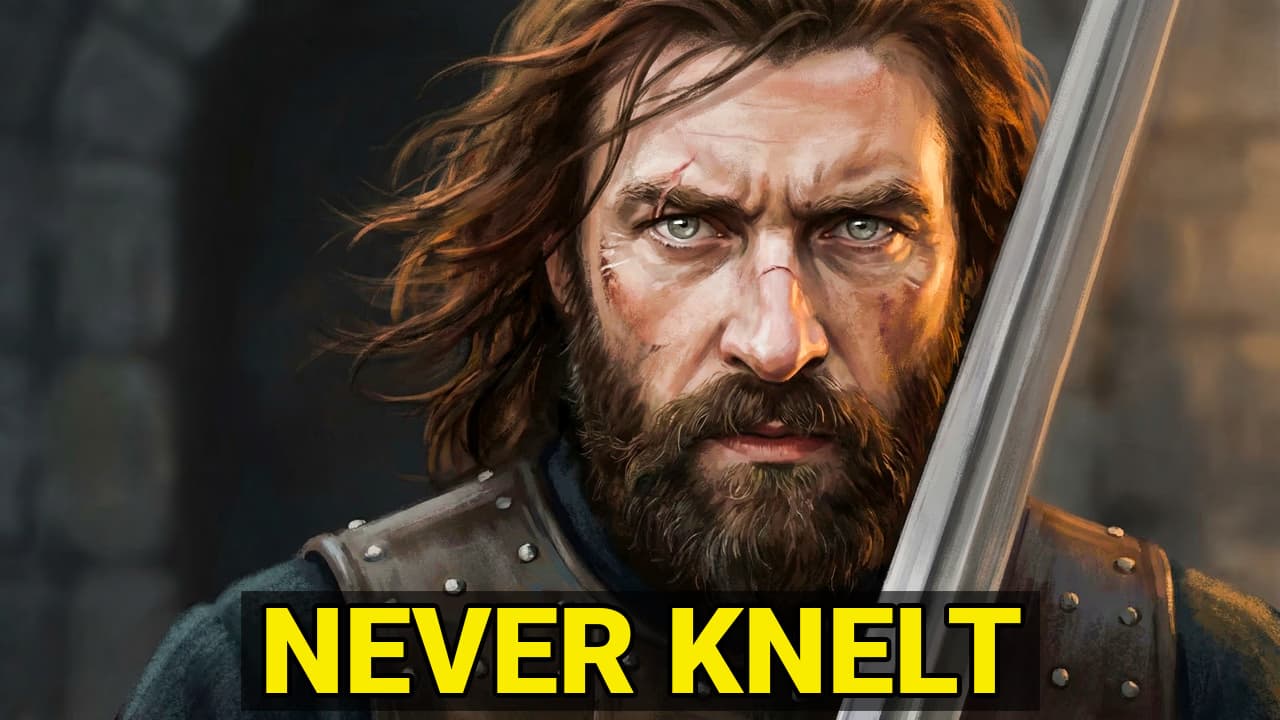
William Wallace sleeps.
For seven years, he has evaded every trap Edward I has set. He has crossed Europe begging kings for help that never came. He has slipped through English patrols, survived ambushes, watched the men who fought beside him die one by one. He has become the most wanted man in Britain, with a price on his head large enough to make any peasant rich for life.
Tonight, someone who knows exactly where he sleeps is counting that price.
In twenty days, Wallace will be dragged naked through London behind horses, hanged until his vision goes black, cut down while still breathing, and butchered piece by piece while a crowd cheers. His head will rot on a spike above London Bridge. His arms and legs will be nailed up in four cities as warnings.
But first, someone has to open the door.
The Ghost
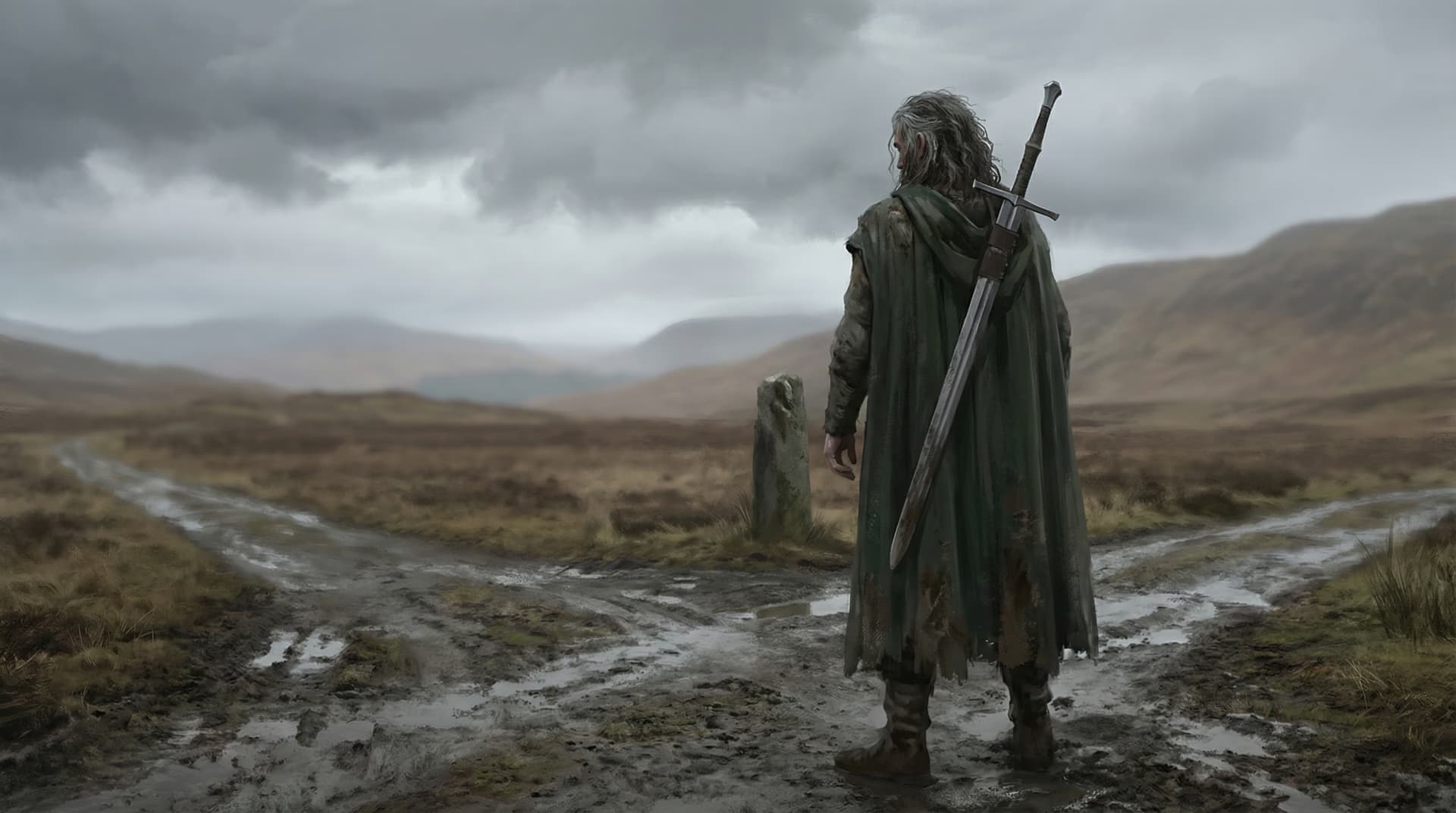
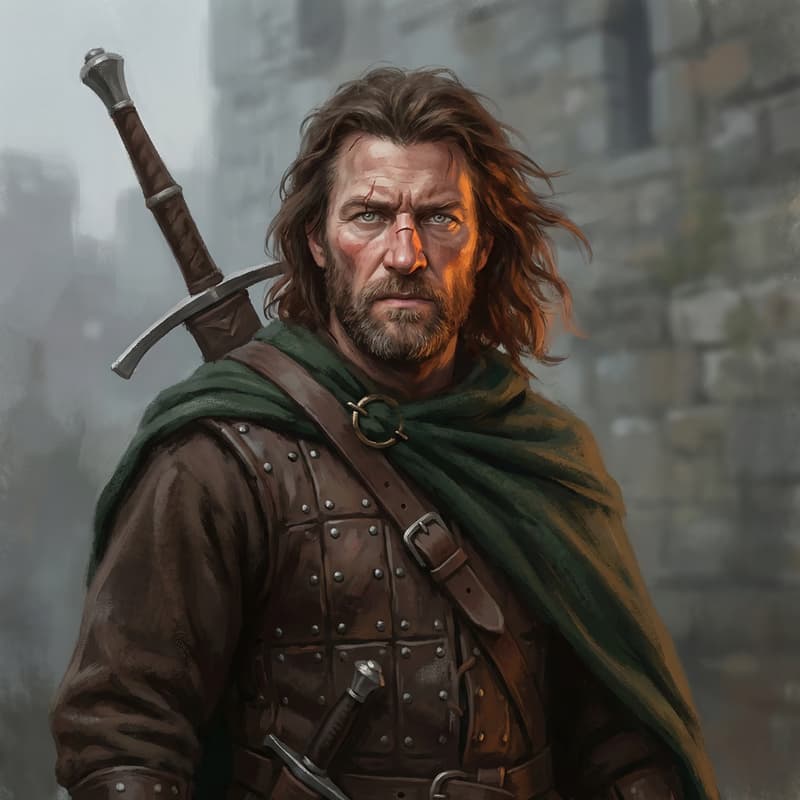
After Falkirk, William Wallace became a ghost.
He resigned as Guardian in December 1298, replaced by Robert Bruce and John Comyn--the same Comyn whose cavalry had fled the battlefield, the same nobles who had never accepted a commoner's authority. Wallace was no longer needed. He was no longer wanted.
But he would not stop.
In 1299, he sailed for France with letters from what remained of the Scottish government. King Philip IV received him at court--a curiosity, this giant Scot who had humiliated the English at Stirling Bridge. Philip listened to his plea for aid. He gave Wallace money and a letter of introduction to Pope Boniface VIII in Rome.
Whether Wallace ever reached Rome, the chronicles do not say. What they say is that King John Balliol--the deposed Scottish king, the man in whose name Wallace had fought for years--was released into French custody and never returned to Scotland.
The message was clear. Scotland's exiled king had abandoned his kingdom. The foreign allies would not come.
Wallace sailed home with nothing.
The Return
By 1303, Wallace was back in Scotland, and Scotland had surrendered.
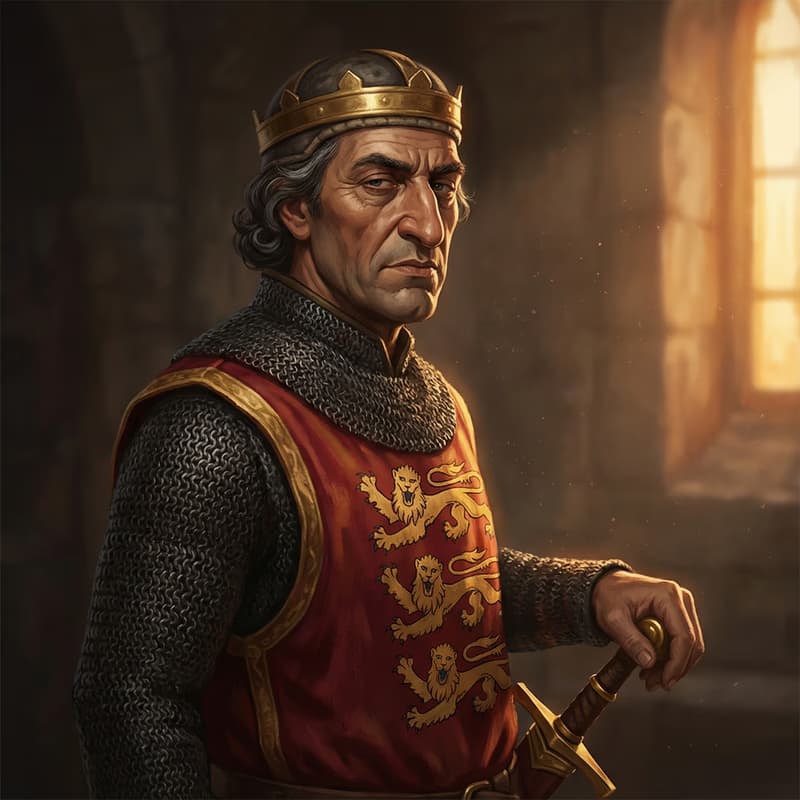
The nobles had submitted to Edward I--every last one of them. Robert Bruce himself had made peace with the English king. The castles flew English banners. English administrators collected English taxes. The war was over.
Except Wallace would not accept it.
He went back to what he knew. Small raids. Ambushes. The harrying tactics of a man with nothing left to lose. He had no army now, no title, no political protection. He was a bandit, an outlaw, a dead man walking.
Edward I was obsessed with catching him.
The English king had conquered Scotland. He had humiliated its nobles, stolen its treasures, erased its independence. But as long as Wallace remained free, the conquest felt incomplete. Wallace was a symbol--proof that not every Scot had bent the knee.
Edward offered rewards. He sent hunters. He pressured Scottish nobles to bring Wallace in. Year after year, Wallace slipped away.
Until he trusted the wrong man.
Subscribe to Nightfall History on YouTube
Join our community on YouTube for more historical deep dives and visual storytelling
The Servant
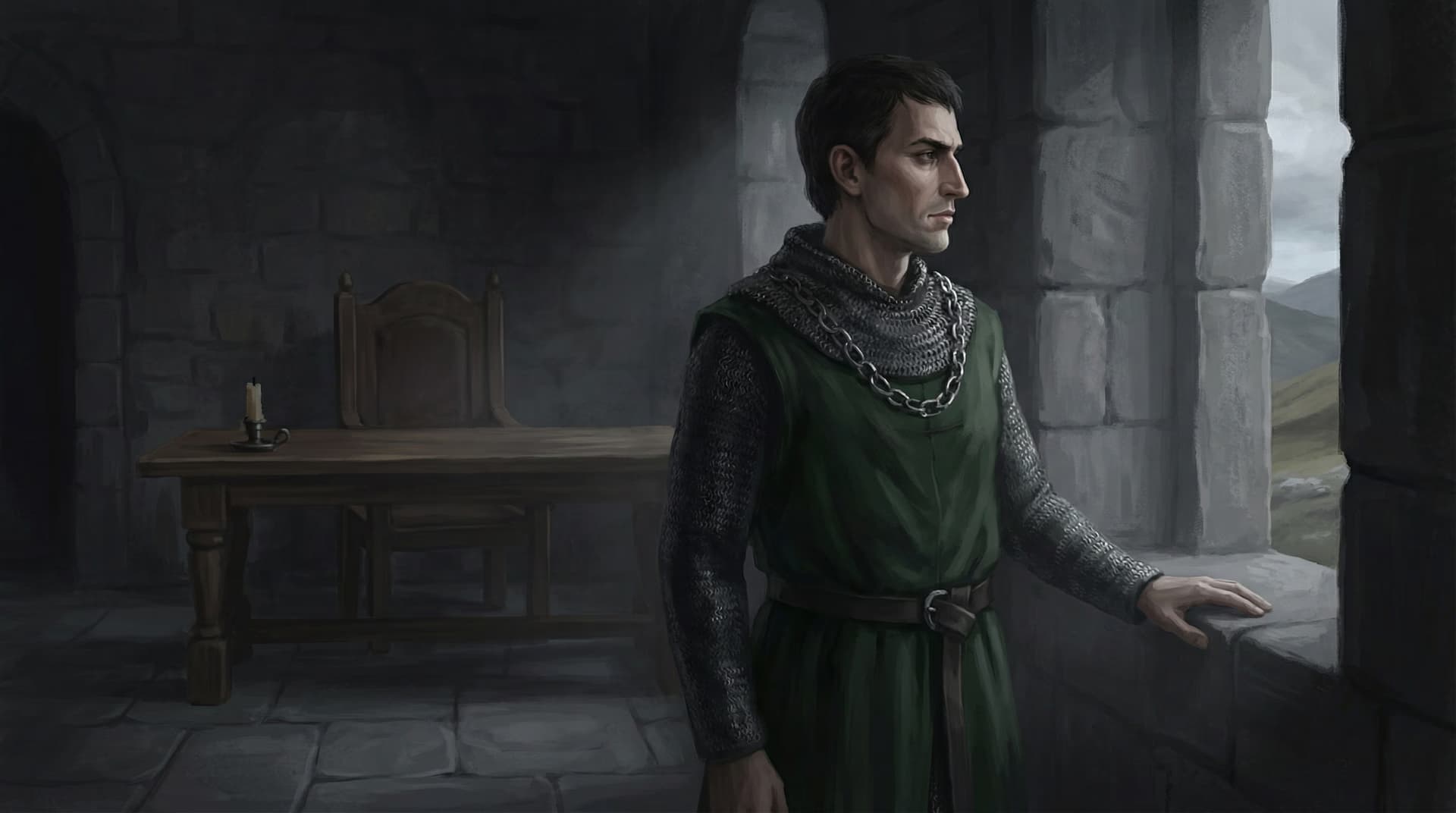
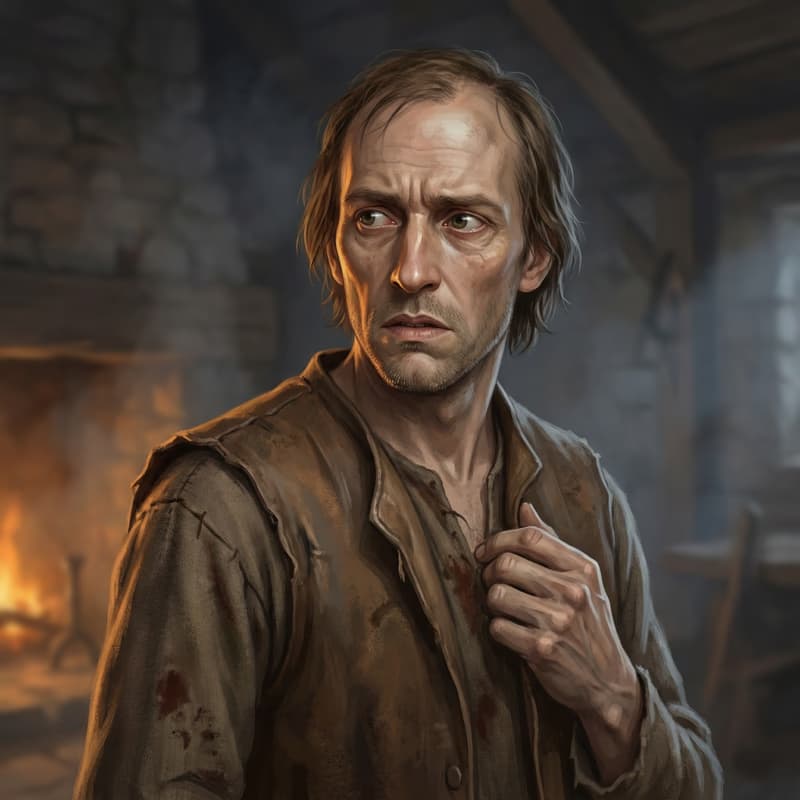
Jack Short had served Wallace for years.
We know almost nothing about him--the chronicles mention his name only once, in connection with what he did. He knew Wallace's movements, his hiding places, his habits. He knew which houses were safe and which routes Wallace used to travel between them.
Sometime in the summer of 1305, Jack Short went to see Sir John de Menteith.
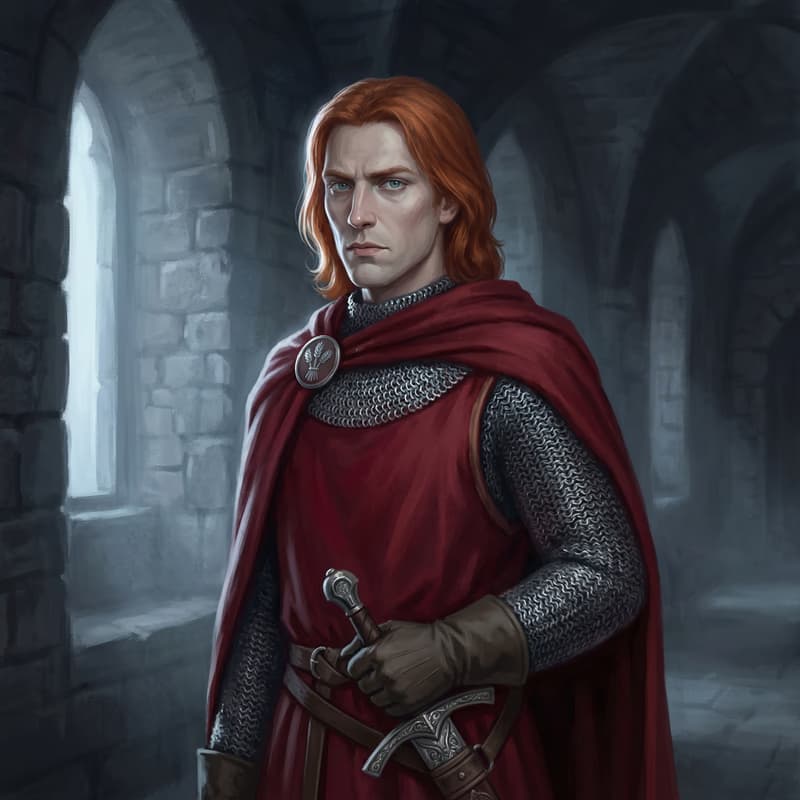
Menteith was the Sheriff of Dumbarton, a Scottish knight who had sworn allegiance to Edward I. He had connections to the English administration. He had the authority to make arrests. And he had been tasked with one job above all others: find William Wallace.
"I know where he'll be sleeping," Jack Short said. "August third. A house in Robroyston."
The price for a servant's betrayal was thirty pounds. A fortune for a man who owned nothing. Enough to buy land, livestock, a future.
Menteith would receive estates and continued power as sheriff.
The economics of treachery were simple.
The Night
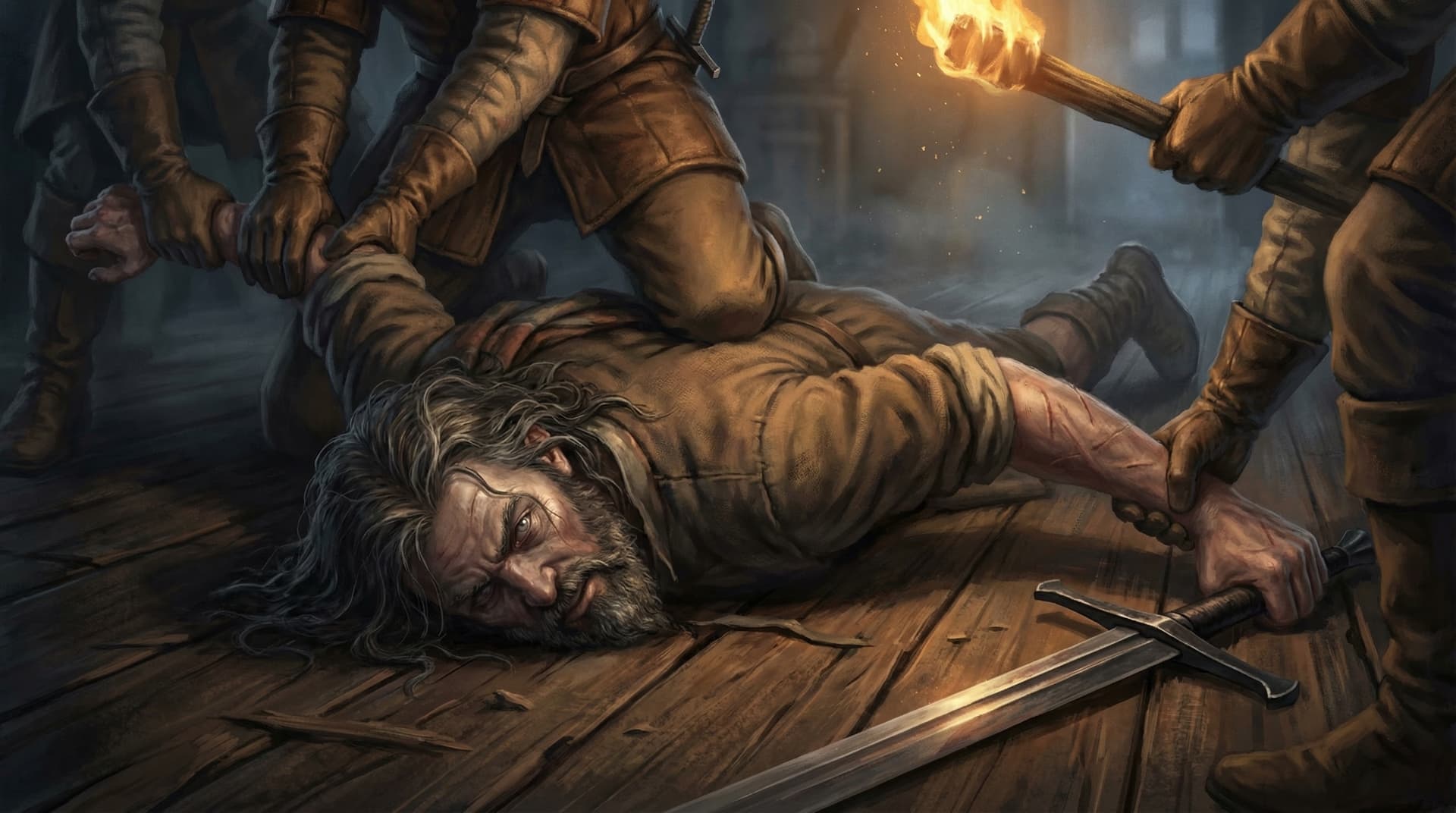
On August 3rd, Wallace was staying at a small house near Glasgow.
Some accounts say he was waiting for a meeting with Robert Bruce. Others say he was simply moving between safe houses, as he had for years. What the accounts agree on is that he was exhausted. Seven years of running had worn him down to bone and sinew. He slept deeply that night.
He did not hear them coming.
Menteith's men approached under cover of darkness, moving through the fields in silence. They knew exactly which house. They knew exactly which room. Jack Short had given them everything.
The door splintered inward. Torchlight flooded the room. Wallace surged up from his bed, reaching for the massive sword that had been his companion since Lanark--
But there were too many of them. They seized his arms before he could draw. They bore him down by sheer weight of numbers, pressing his face into the rough wooden floor.
No fight. No last stand. The most dangerous man in Scotland was taken in his nightclothes, blinking in the torchlight, betrayed by a man he had trusted with his life.
They dragged him to Dumbarton Castle. His sword stayed behind. It would remain there for centuries.
The Journey
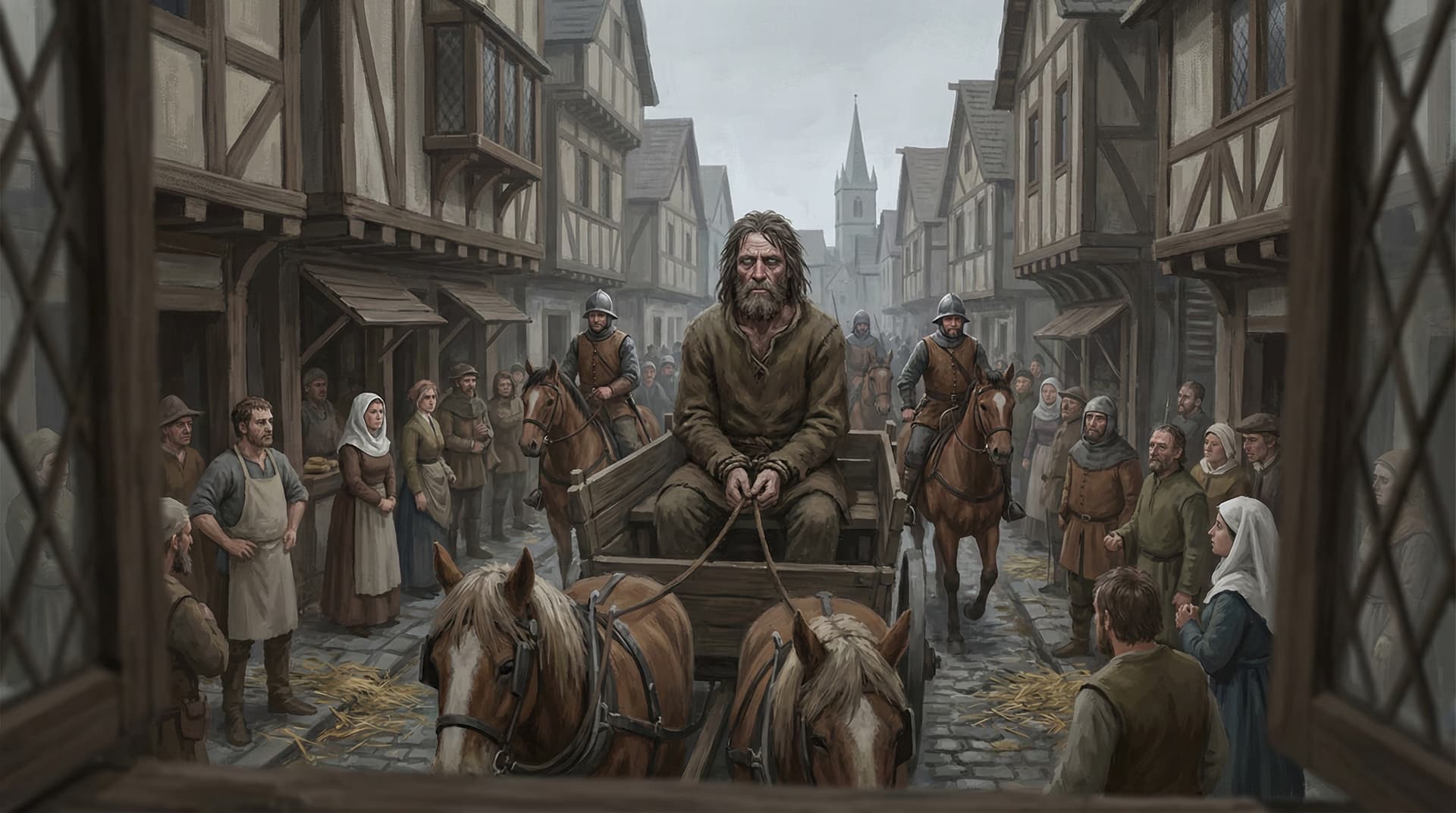
The English made the journey last.
Seventeen days. That's how long it took to transport Wallace from Scotland to London. They could have done it in five. They chose not to.
Instead, they paraded him through every major town along the route. They put him in a cart like an animal, bound hand and foot, so the people of Britain could see what happened to those who defied the English crown. Children threw stones. Men spat. Women cursed him in languages he didn't understand.
Wallace said nothing. He watched the countryside roll past--the hills of Scotland giving way to the flat English midlands, the roads growing wider, the towns growing larger. Every mile took him closer to the death Edward had been planning for seven years.
He arrived in London on August 22nd. The streets were already crowded with people who had come to watch him die.
Stay in the Loop
Get notified when new articles and videos drop. Unsubscribe anytime.
The Trial
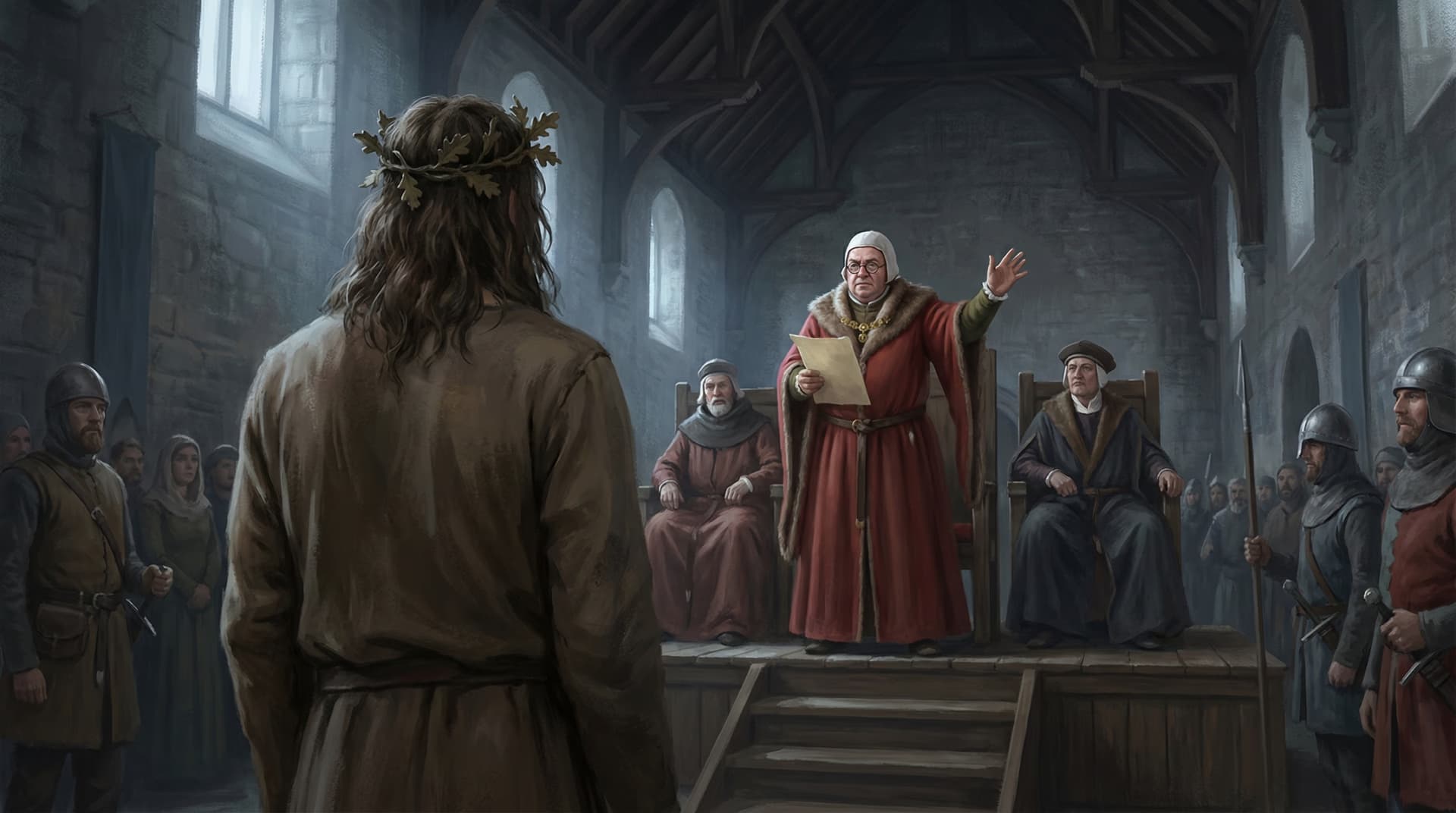
Westminster Hall. August 23rd, 1305.
They seated Wallace on a bench on the south side of the great hall. On his head, they placed a crown of oak leaves--a mockery, declaring him king of outlaws. The judges were already in their places. The verdict had been decided before he walked through the door.
Sir Peter Mallory, the Chief Justice, read the charges. Treason against King Edward. Murder. Robbery. The burning of villages. The killing of sheriffs. The slaughter of Englishmen "sparing neither age nor sex, monk nor nun."
Wallace was not permitted to speak in his own defense. There was no jury. This was not a trial. It was theater.
But Wallace spoke anyway.
"I could not be a traitor to Edward," he said, his voice carrying across the silent hall, "for I was never his subject."
It was true. Wallace had never sworn allegiance to the English crown. Unlike the Scottish nobles who had submitted and then rebelled, Wallace had been at war with England from the beginning. Legally, technically, he was right.
The legal point was irrelevant. The sentence was death.
The Execution
They stripped him naked in Westminster and tied him to a hurdle--a wooden frame designed to drag a man through the streets without killing him. Two horses pulled the hurdle east through London, the cobblestones tearing at Wallace's back and shoulders.
The route wound through the city's heart. Past the Tower of London. Through Aldgate. Six miles to Smithfield, where the cattle markets stank of blood and offal. Crowds lined every street. They jeered. They threw garbage. They beat him with sticks as he passed.
This was the entertainment Edward had designed. Not just death, but degradation.
At Smithfield, at the place called the Elms, they finally let Wallace stand.
The executioner was a professional. He worked without hurry.
First, the noose. They hanged Wallace until his face turned purple and his legs stopped kicking--then cut him down. He collapsed on the platform, gasping, still conscious. Still alive.
Then the knife. The executioner castrated him while the crowd roared approval. Blood pooled on the wooden boards.
Then the real work began.
The executioner opened Wallace's abdomen with a long vertical cut. He reached inside--Wallace could feel the hands moving through his guts, could feel the intestines being pulled out of his body inch by inch. They burned his entrails in a fire beside the scaffold. The smell of cooking meat filled the air.
Wallace was still alive. Still watching.
The executioner cut out his heart. The chronicles don't record whether it was still beating when he held it up for the crowd.
Only then did they take his head. The axe fell, and William Wallace was finally allowed to die.
But they were not finished.
They quartered the body--hacked it into four pieces with cleavers. They dipped the head in tar to preserve it and mounted it on a pike on London Bridge, where it would stay until the flesh rotted away and the skull fell into the Thames.
The quarters were sent to Newcastle, Berwick, Stirling, and Perth. Four pieces of Wallace, displayed in four corners of Britain. A message to anyone who might think of rebellion.
The Message
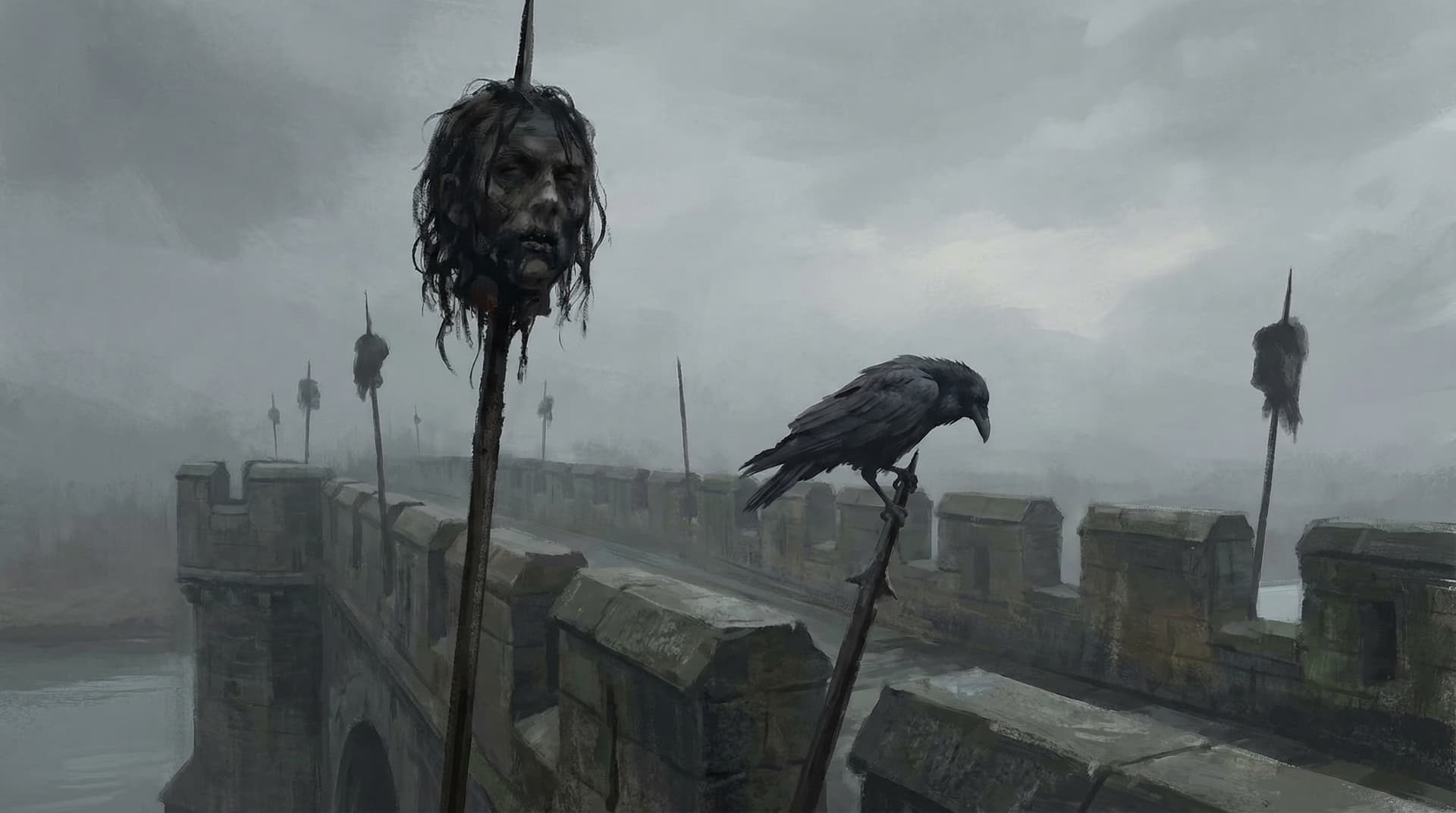
Four pieces of William Wallace hang in four corners of Britain.
His head rots on a spike above London Bridge, dipped in tar to slow the decay. Ravens have taken the eyes. The lips have pulled back from the teeth in a permanent grimace. Travelers crossing the Thames look up and see what remains of the man who humiliated England at Stirling Bridge.
His right arm swings from a gibbet in Newcastle. His left arm hangs in Berwick, where Scottish merchants pass beneath it on their way to market. His right leg is displayed in Perth. His left leg hangs in Stirling--the very city where he won his greatest victory, where he watched five thousand Englishmen drown in the Forth.
Edward I designed this display with precision. Every Scot who enters a major town will see the cost of resistance. Every potential rebel will understand: this is how England treats its enemies.
The message is clear. Scotland is conquered. Resistance is over. Wallace is dead.
The message is: bend the knee, or end like him.
The Question
Jack Short received his thirty pounds. Enough to buy land, livestock, a future.
Sir John Menteith received his estates and kept his position as Sheriff of Dumbarton. He lived for decades more, his name synonymous with treachery. The Scots called him "Fause Menteith"--False Menteith. The nickname followed his descendants for generations.
Edward I had finally won. The man who had humiliated him at Stirling Bridge, who had evaded him for seven years, who had refused to bend when every other Scottish leader broke--that man was finally dead.
But Edward had made a mistake.
He thought the execution would end the rebellion. He thought displaying Wallace's body would break Scottish resistance. He thought brutality would teach submission.
Instead, he created a martyr.
Wallace's execution didn't show Scotland the cost of resistance. It showed Scotland what England would do to them if they surrendered. The brutality of his death--the dragging, the disemboweling, the quartering--proved that there was no mercy in submission. No safety in surrender.
Edward had wanted to make an example of Wallace. He succeeded--but not the way he intended.
Wallace became the example of what it meant to fight without compromise. To refuse surrender when surrender was the rational choice. To die rather than accept conquest.
At his trial, Wallace had said: "I could not be a traitor to Edward, for I was never his subject."
He had fought for seven years after Falkirk. Not as Guardian. Not as a commander. Not with an army or a title or political support. He fought because he refused to accept that Scotland no longer existed.
The nobles had submitted. The castles had fallen. The war was over.
Wallace kept fighting anyway.
And when they finally caught him, when they dragged him to London and butchered him in front of a cheering crowd, when they put his head on a spike and sent his limbs to four corners of Britain--they proved him right.
You could not be a traitor to a king you never served. You could not surrender to a conqueror who showed no mercy. You could not trust nobles who would sell you for English estates and English gold.
The only choice was to fight. Or to die. Wallace had done both.
The Reckoning

Somewhere in Dumbarton Castle, Wallace's massive sword gathered dust. The blade that had killed the Sheriff of Lanark. The blade that had been carried through seven years of war and seven years of flight. The blade that stayed behind when its owner was dragged to London in chains.
It would remain there for centuries. A relic. A reminder.
Edward I thought he had won. He had captured Wallace, executed him, displayed his body as a warning. Scotland was conquered. The war was over.
But in less than six months, a man would murder his rival in a church and crown himself King of Scots.
In less than two years, Edward I would be dead.
In less than nine years, Scotland would crush the largest English army ever assembled.
The execution that was supposed to end Scottish resistance was about to become the spark that reignited it.
Edward had taught Scotland a lesson at Smithfield. Just not the one he intended.
He taught them that mercy was a lie. That submission meant nothing. That England would never accept Scottish independence unless Scotland forced them to.
William Wallace had spent seven years proving he would never bend the knee.
His death proved why.