
The Richest Vein on Earth
A man sits in a basement in Tehran, reading a telegram that says two words: get out. Upstairs, the streets are full of soldiers loyal to the prime minister he just tried to overthrow. The Shah has fled. The operation is dead. But the man folds the telegram, sets it down, and starts planning. What he builds over the next three days will destroy a democracy -- and America will spend the rest of its history paying for it.
How does a single CIA operative end up in a Tehran basement with the authority to destroy a democracy? It starts with what was under the ground -- and who was taking it.
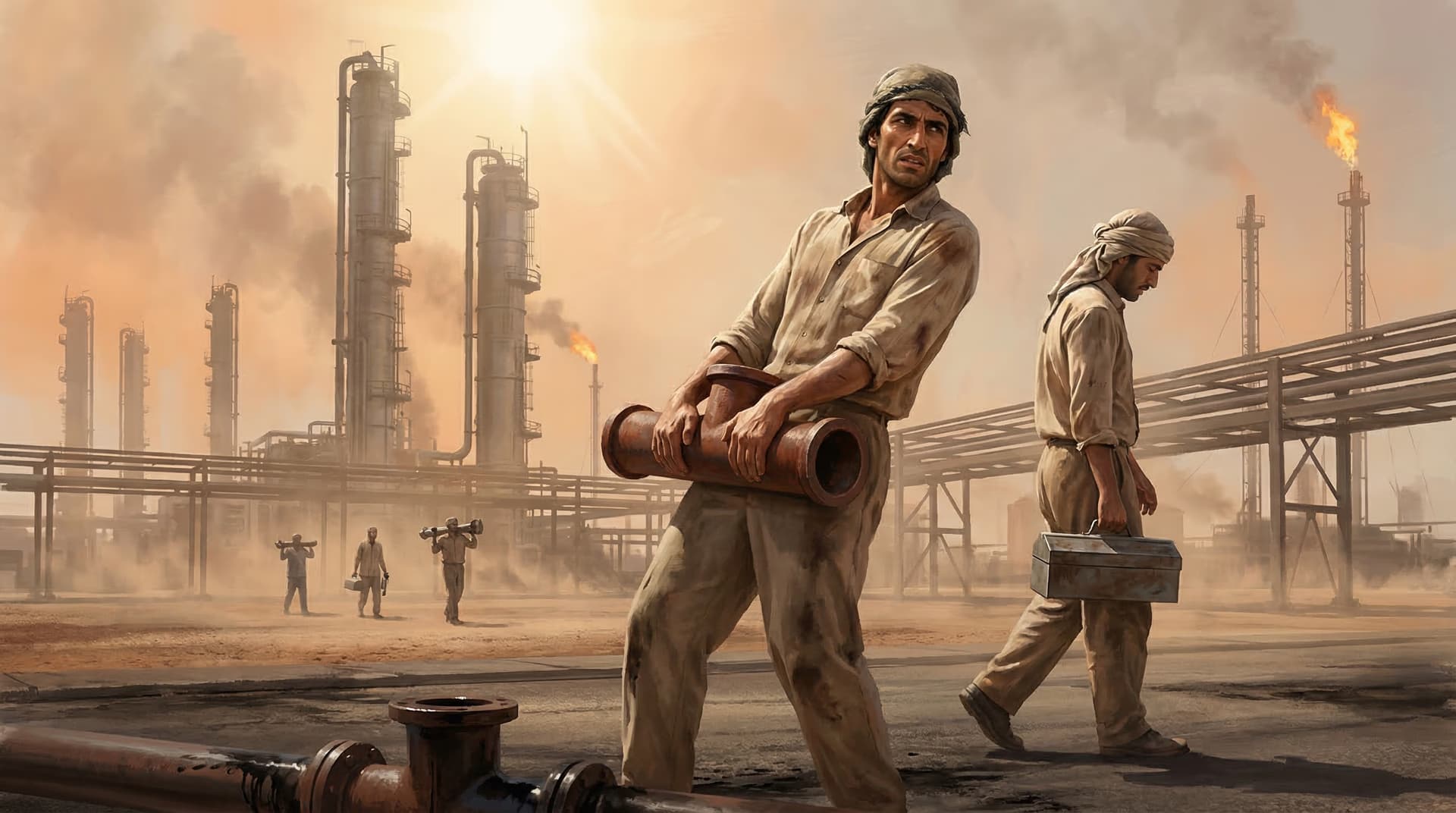
The Abadan refinery was the largest oil refinery on Earth. It sprawled across the southern Iranian coast like a steel city, and the wealth that flowed through it was staggering. But the wealth did not flow to Iran. The Anglo-Iranian Oil Company -- majority-owned by the British government -- had built itself a colonial kingdom inside a sovereign nation. To the west of the refinery, upwind from the choking fumes, British managers lived in manicured bungalows with swimming pools and private clubs. To the east, downwind, Iranian workers lived in slums without running water. The division was not subtle. Europeans held every management position. Iranians did the manual labor. And the profits told the story more clearly than anything else: in 1947, the company reported after-tax profits of forty million pounds. Iran's share was seven million. Britain's government owned fifty-one percent of the company's shares and extracted more wealth from Iranian oil than Iran itself ever saw.
How do you overthrow a democracy for less than a million dollars? The answer to that question begins not in a CIA basement, but in the Iranian parliament -- where an old man in pajamas was about to change everything.
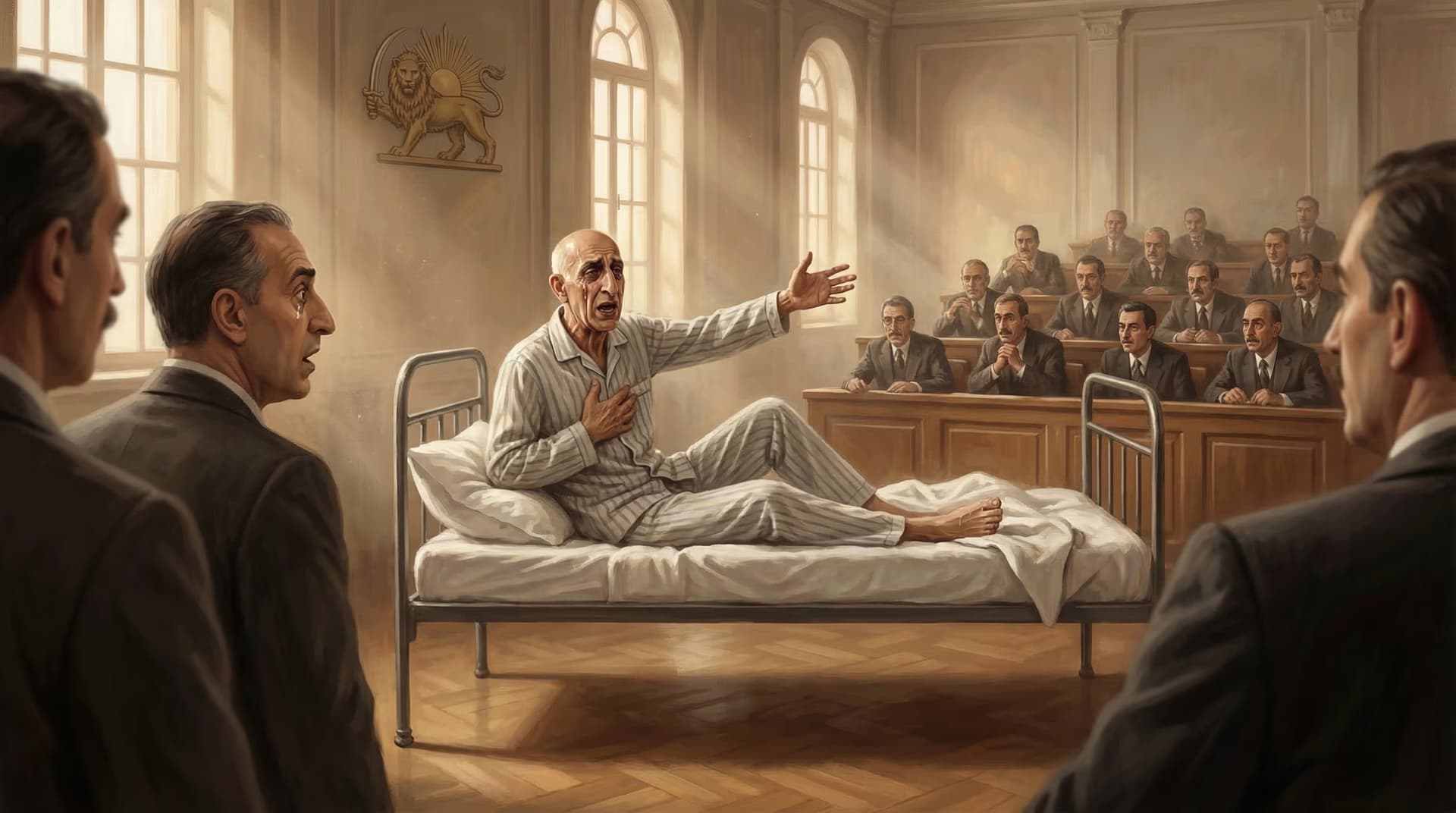
Mohammad Mossadegh was not what anyone expected. He was sixty-eight years old, frail, theatrical -- he wept openly during speeches and sometimes delivered them from his bed, which attendants carried into the parliamentary chamber. He was also incorruptible, legally brilliant, and possessed of a single unshakeable conviction: Iran's oil belonged to Iran. In April 1951, the Majlis elected him prime minister by a vote of seventy-nine to twelve, on a mandate to nationalize the oil industry. He did exactly what they elected him to do.
The nationalization law passed. Iran took its oil back. Britain was furious -- and Britain hit back with everything short of war. The Royal Navy blockaded Iranian ports. A global embargo shut Iran out of oil markets entirely. London dragged Tehran to the International Court of Justice, demanding compensation and the reversal of nationalization. Mossadegh stood before the court and argued Iran's case himself. In July 1952, the ICJ ruled it had no jurisdiction. Iran had won -- legally, morally, democratically. What Mossadegh's nationalization would eventually cost him, however, was something no court could prevent.
Subscribe to Nightfall History on YouTube
Join our community on YouTube for more historical deep dives and visual storytelling
The Invisible War
Mossadegh had won every fight that played by the rules. But the British Empire did not intend to play by the rules.
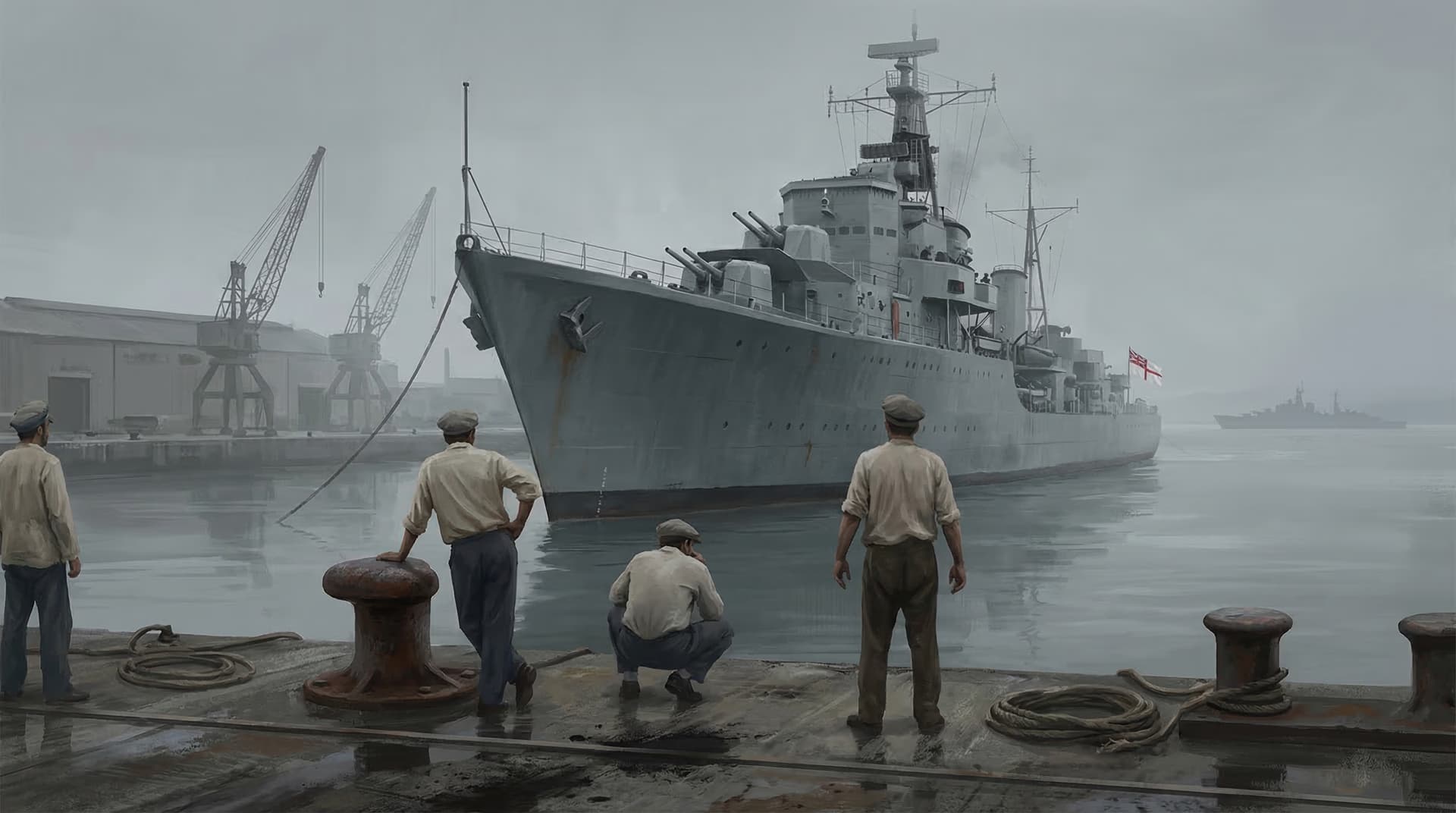
By September 1951, the embargo had reduced Iran's oil exports to zero. Not reduced -- eliminated. Oil royalties had constituted sixty percent of Iran's foreign exchange. Overnight, that was gone. Eighty thousand Iranians lost their jobs. The government budget collapsed. Development plans evaporated. Mossadegh had the democratic mandate, the legal victory, and the moral high ground -- and none of it could feed his people or keep his economy from cratering.
Britain had tried courts. It had tried embargoes. It had tried naval intimidation. None of it had broken Mossadegh. So Britain tried something new: it called Washington.
The pitch was elegant and dishonest. Britain told the Americans that Mossadegh was drifting toward the Soviet Union -- that the Tudeh Party, Iran's communist faction, was gaining influence, and that Iran was weeks from falling behind the Iron Curtain. The CIA's own agents in Tehran reported that this was false. There was no serious communist threat. It did not matter. The Cold War had its own logic, and the fear of losing Iran was more powerful than the truth about Iran. In early April 1953, CIA Director Allen Dulles approved one million dollars for the overthrow of Mohammad Mossadegh. Churchill approved the plan on July first. Eisenhower gave his final consent ten days later. The operation had a name: Ajax. The agency running it was six years old. It had never done anything like this before.
The Man in the Basement
On July 19, 1953, a man using the name James Lochridge crossed the Iranian border. His real name was Kermit Roosevelt Jr. -- grandson of Theodore Roosevelt, Harvard graduate, career CIA officer. He carried with him the authority to spend whatever it took to remove a democratically elected government from power.

Roosevelt set up in a basement in Tehran and went to work. He funneled hundreds of thousands of dollars to agents inside Iran's military. He bribed religious leaders. He paid journalists to print fabricated stories. And he began assembling the raw material for a revolution that had no popular support whatsoever -- street mobs, recruited from athletic clubs and the poorest neighborhoods in south Tehran, who would march and chant on command for cash.
Then it all fell apart.
On August 15, the first coup attempt launched -- and failed. Mossadegh had learned of the plot. The officers sent to arrest him were themselves arrested. The Shah, who had signed the decrees authorizing Mossadegh's dismissal, panicked. He fled to Baghdad, then to Rome, convinced his reign was over. In a hotel room in Italy, the Shah of Iran waited for someone to tell him what to do next while the American and British governments scrambled to draft his public statements for him.
Back in Tehran, the CIA sent Roosevelt a telegram: abort the operation. Leave Iran immediately. The plot was blown. The figurehead had run. There was nothing left to save.
Roosevelt read the telegram. And he did not leave. He had spent a month building a network -- agents, officers, propagandists, paid muscle. The first attempt had failed, but the infrastructure was still intact. He needed one more shot. He started planning the second coup the same night.
Stay in the Loop
Get notified when new articles and videos drop. Unsubscribe anytime.
A Revolution That Never Existed
What Kermit Roosevelt built in those next three days was not a revolution. It was a performance -- the most consequential piece of political theater in the twentieth century.
It started with the newspapers. Roosevelt's agents moved through Tehran's press offices with envelopes of cash. By the next morning, headlines screamed that Mossadegh was a communist puppet, that the Tudeh Party was about to seize power, that the prime minister planned to abolish the monarchy and deliver Iran to Moscow. The CIA's own intelligence confirmed none of this was true. There was no communist takeover. There was no Soviet conspiracy. But truth was not the point. The point was noise -- enough of it to drown out what had actually happened, which was that a foreign government had tried to overthrow a democratic leader and failed.
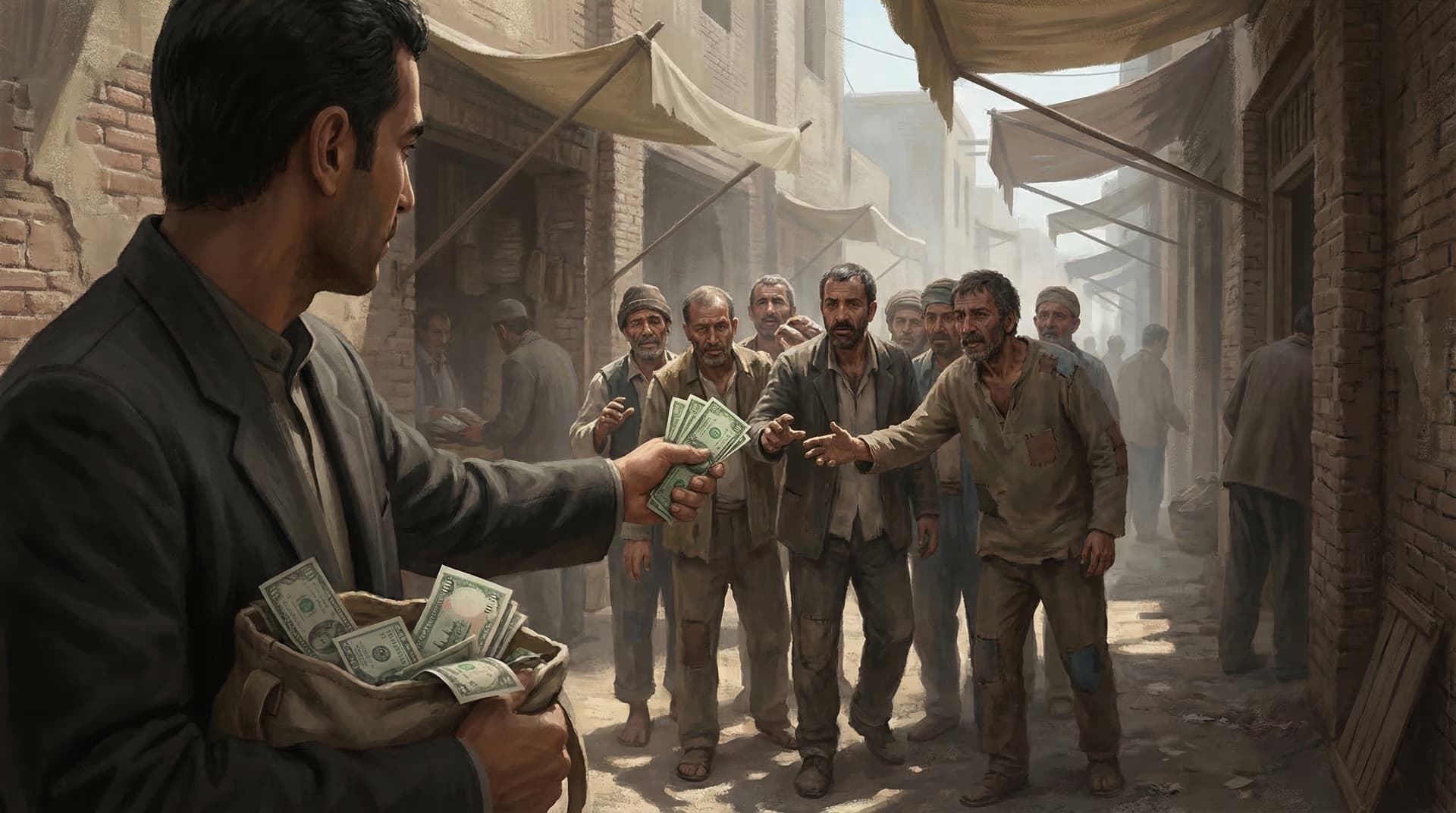
Then came the mobs. Roosevelt's agents fanned out across south Tehran with bags of American cash, recruiting from athletic clubs, from bazaars, from the desperate and the unemployed. They moved through the poorest neighborhoods offering money to anyone who would march. Hundreds of thousands of dollars changed hands in a matter of hours. So much American currency flooded Tehran that the rial buckled under the pressure. The CIA was not just buying a coup -- it was destabilizing a nation's economy with bribe money.
While the mobs assembled, Roosevelt worked the military. Officers who had been on the fence after the first failure were approached again -- with larger sums and more urgent arguments. General Fazlollah Zahedi, the man the CIA had chosen to replace Mossadegh, moved his loyal units into position around the capital. The pieces were set. All that remained was the signal.
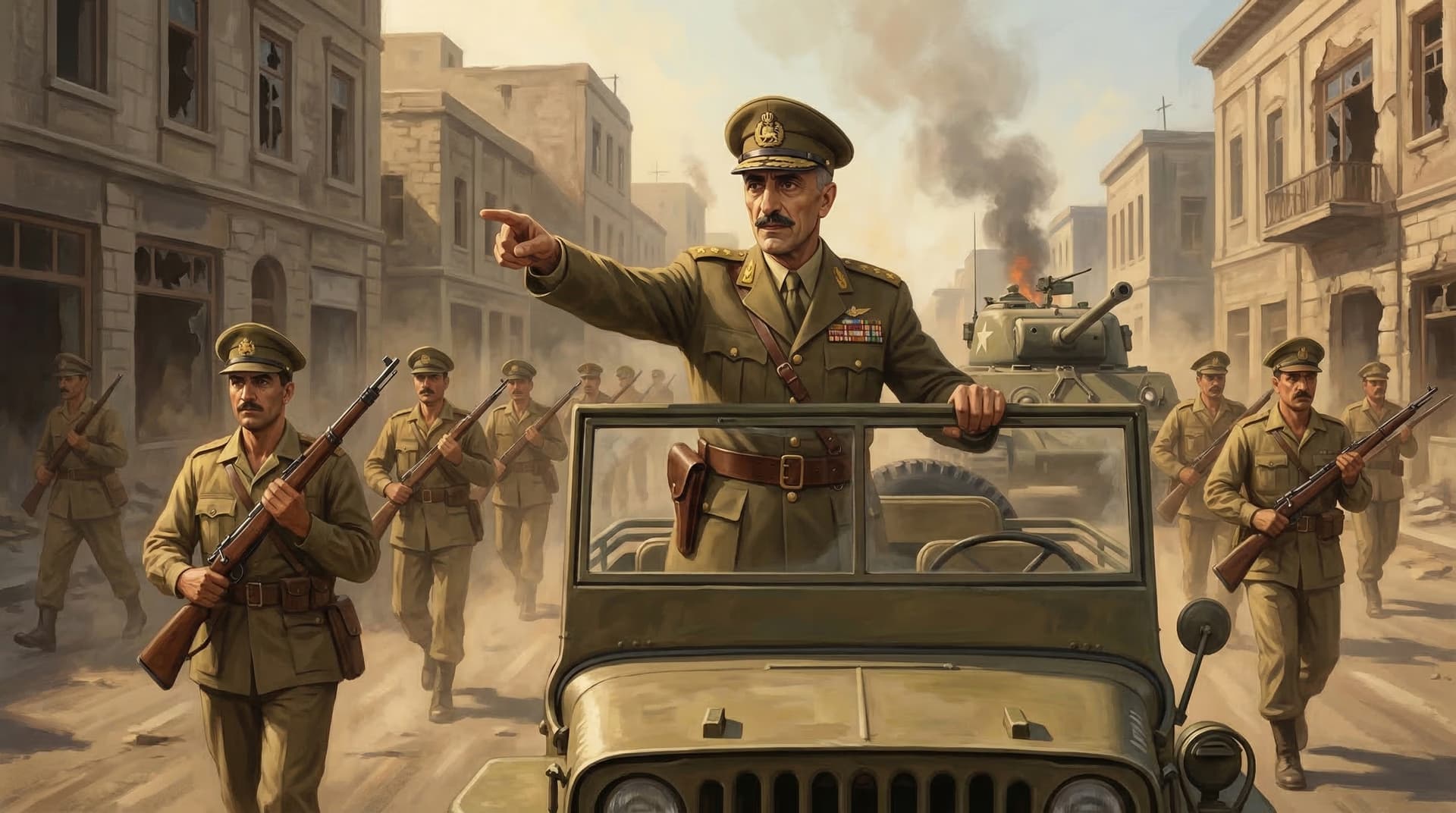
On the morning of August 19, 1953, the manufactured uprising erupted. Crowds surged through Tehran's streets chanting "Zendebad Shah!" -- Long live the Shah. They burned communist newspaper kiosks. They smashed the windows of National Front offices and tore down party signs. Pro-Mossadegh supporters rushed into the streets to meet them, and the capital erupted into running battles -- gunfire echoing between buildings, smoke rising from intersections, blood on the pavement. From a distance, it looked like a popular revolution. Up close, it was a payroll.
This is how you overthrow a democracy for less than a million dollars. You don't need an army. You need fake headlines, hired crowds, and a handful of officers who know which doors to kick in.
By afternoon, Zahedi's military units moved on the capital in force. Tanks ground through Tehran's streets toward Mossadegh's house. An armored column surrounded the residence and opened fire. Machine gun rounds raked the walls. Inside, Mossadegh's guards fought back, but they were outnumbered and outgunned. Nearly three hundred people died in the street fighting that day -- Iranians killing Iranians over a script written in a CIA basement. By evening, it was over. Mossadegh climbed over his garden wall and escaped into the night, but the next day he surrendered. The democratically elected government of Iran was gone.
The Price of Oil
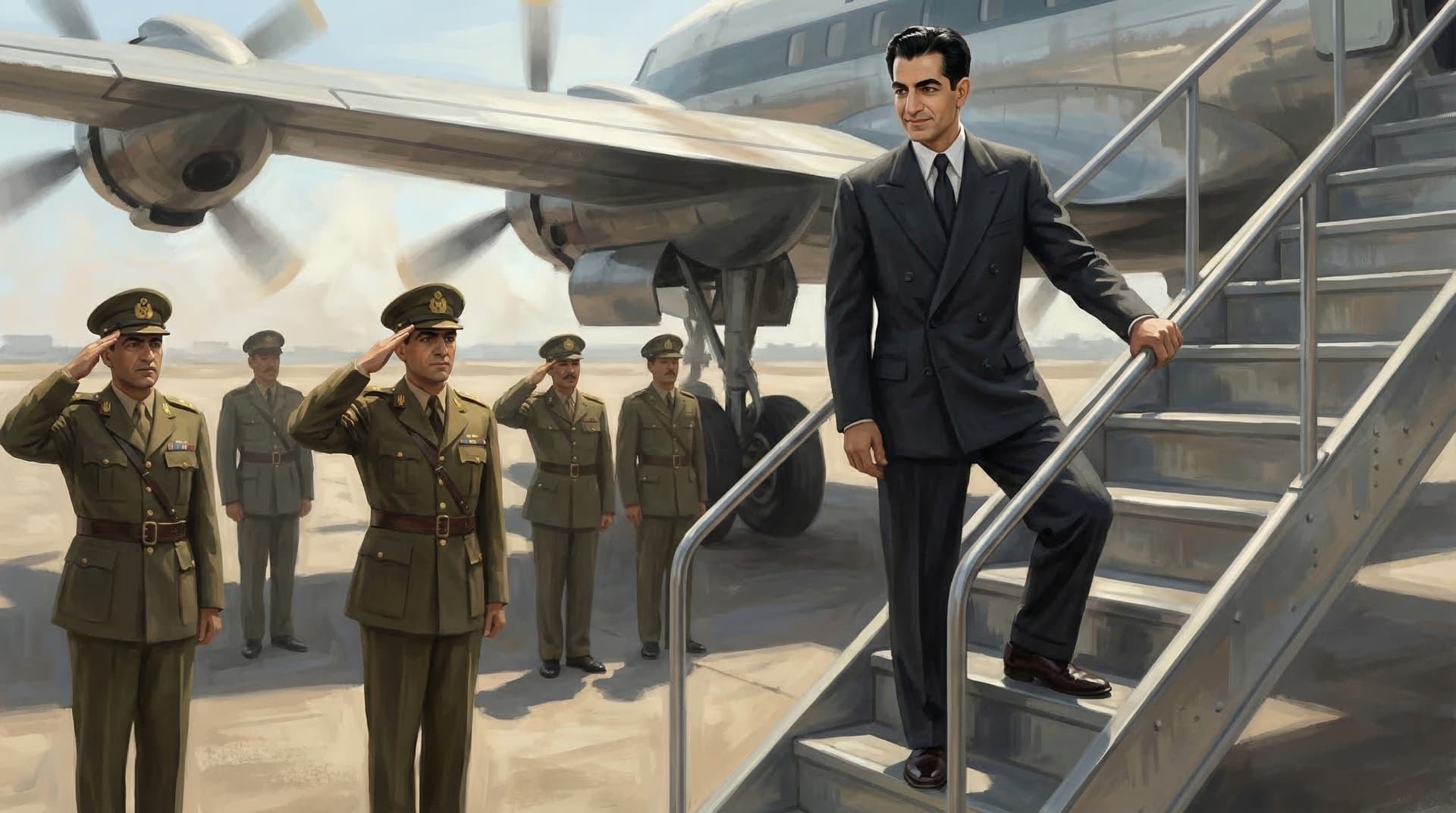
Three days later, the Shah flew back from Rome. The man who had fled in terror returned as an absolute monarch, installed by a foreign intelligence service. The price of American help came due quickly: the Shah signed over forty percent of Iran's oil fields to American companies. The oil was back in Western hands. The whole point of the operation -- from the embargo to the fake newspapers to the hired thugs -- had always been the oil.
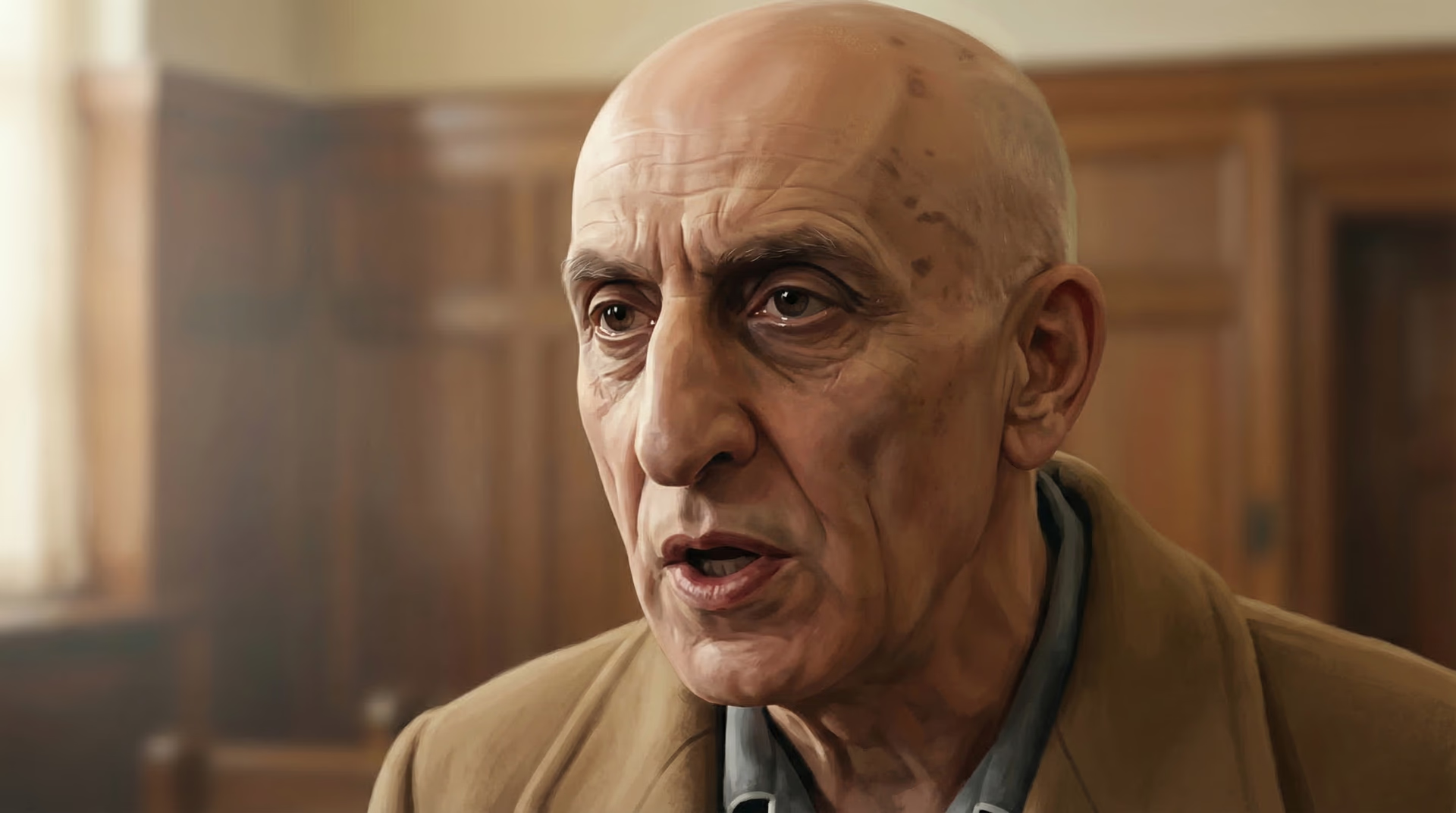
Mossadegh stood trial that November. The prosecutors wanted death. Standing in the courtroom, the old man in pajamas delivered the only verdict that would matter to history: "Yes, my sin -- my greater sin -- and even my greatest sin is that I nationalized Iran's oil industry and discarded the system of political and economic exploitation by the world's greatest empire."
He was sentenced to three years in solitary confinement, then house arrest for the rest of his life. He never left his home again. When he died in 1967, at the age of eighty-four, the regime buried him inside his own house -- because even in death, they were afraid his grave would become a rallying point for the thing he had represented: the idea that Iran's future belonged to Iranians.
The man in that Tehran basement got what he wanted. The prime minister who tried to take back his country's oil was silenced. The democracy was dead. And the nation that killed it had just created something it would spend the next seventy years trying to understand.
The Shah was back on his throne. The oil was back in Western hands. America had its ally. Case closed.
Except it wasn't. Twenty-six years later, the Iranian people would remember exactly what was done to them -- and they would tear the Shah's regime apart with their bare hands. But to understand the fury of what came next, you have to understand something much older. Something that happened thirteen hundred years before the CIA existed. In the year 680, on a scorching plain in modern-day Iraq, a grandson of the Prophet Muhammad stood with seventy-two men against an army of thousands. He knew he was going to die. He fought anyway. That story -- that death -- is the key to everything Iran has done since.
